

float glass properties
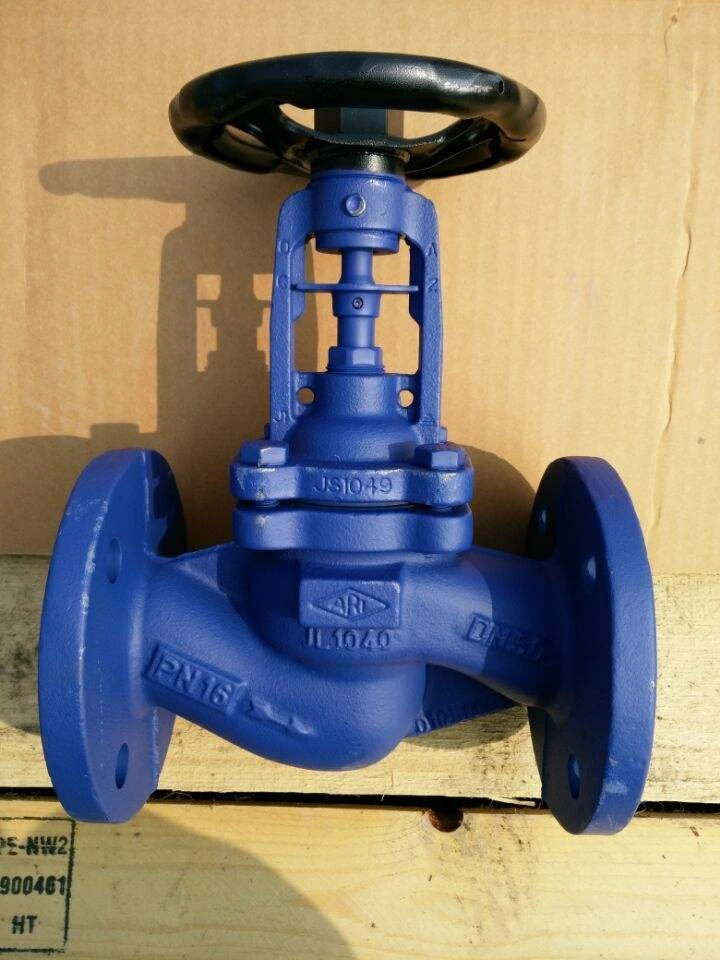
In the world of fluid dynamics and systems engineering, the role of valves is paramount. Among the various types of valves used in industrial applications, the slow-closing check valve stands out as a critical component for enhancing system efficiency and safeguarding equipment. In this article, we will delve into the function, benefits, and applications of slow-closing check valves, providing a comprehensive understanding of their importance in various fluid systems. What is a Slow Closing Check Valve? A slow closing check valve is a mechanical device designed to prevent backflow in a piping system while allowing fluid to flow in one direction. Unlike traditional check valves, which may slam shut abruptly, slow closing check valves feature a mechanism that enables them to close gradually. This controlled closure is vital for reducing water hammer effects and preventing sudden pressure surges within the system, thereby increasing the longevity of the piping infrastructure and associated equipment. Benefits of Slow Closing Check Valves 1. Reduced Water Hammer: One of the significant advantages of using a slow closing check valve is its ability to mitigate water hammer. When a valve closes too quickly, it can create a shockwave in the fluid system, resulting in banging or vibrations that can damage pipes and joints. The gradual closure mechanism of slow closing check valves minimizes this issue, leading to a more stable operation. 2. Enhanced System Efficiency: Slow closing check valves help maintain the flow rate and pressure within a system by preventing backflow without causing disruptions. This ensures optimal performance of pumps and other equipment, leading to energy savings and reduced operational costs. 3. Extended Equipment Life: By minimizing the risks of hydraulic shocks, slow closing check valves contribute to a longer lifespan for pumps, compressors, and other apparatus in the system. The reduced mechanical stress translates to fewer maintenance requirements and downtime, further enhancing operational efficiency. Applications of Slow Closing Check Valves Slow closing check valves are versatile components used across various industries, including: - Water Distribution Systems: In municipal water supply and wastewater management systems, these valves prevent backflow and protect water quality by ensuring contaminants do not enter the clean water supply. - Industrial Processes: In manufacturing and processing facilities, slow closing check valves help maintain consistent flow rates, prevent backflow, and protect equipment from damage due to fluctuating pressures. - HVAC Systems: In heating, ventilation, and air conditioning systems, slow closing check valves are crucial for ensuring that chilled or heated water flows in the intended direction, aiding in efficient temperature control. In conclusion, the slow closing check valve is an essential asset in any fluid management system. Its ability to prevent backflow while minimizing hydraulic shocks makes it an optimal choice for various applications. By investing in high-quality slow closing check valves, industries can enhance system efficiency, reduce maintenance costs, and extend the life of critical equipment. Understanding the importance of these valves is crucial for professionals and engineers involved in designing and maintaining fluid systems. For those looking to optimize their fluid systems, consider the advantages of incorporating slow closing check valves into your infrastructure. By doing so, you will not only improve your system's performance but also ensure a more reliable and durable pipeline operation.
about
float glass properties
Understanding Main Water Shut-off Valves A Homeowner’s Guide Main water shut-off valves are crucial components of a home’s plumbing system, serving as the primary control point for the water supply. Understanding their importance, functionality, and maintenance can help homeowners manage water issues effectively and prevent extensive damage to their properties. What is a Main Water Shut-off Valve? The main water shut-off valve is the first point of control in a household plumbing system. It regulates the flow of water from the municipal supply or well into the home’s plumbing infrastructure. Typically located near the foundation of a house, in the basement, or close to where the water line enters the home, this valve is essential during plumbing repairs or emergencies. Importance of Knowing the Location Every homeowner should know where their main water shut-off valve is located. In an emergency, such as a burst pipe or a significant leak, knowing how to quickly access and close this valve can save the home from thousands of dollars in water damage. Depending on the design and layout of the home, the valve may be a gate valve (which turns off water by lifting a gate) or a ball valve (which uses a lever to control water flow). Familiarizing yourself with its type and operation is crucial. How to Operate the Valve main water shut off valves Operating a main water shut-off valve is generally straightforward. For a gate valve, turning the handle clockwise will shut off the water supply, while turning it counterclockwise will turn it back on. For a ball valve, simply turning the handle a quarter turn will do the same. It’s advisable to practice this action when there’s no emergency, as handling a valve can sometimes be stiff or difficult due to rust or age. Regular Maintenance and Inspection To ensure the main water shut-off valve operates effectively, regular maintenance is recommended. Once a year, homeowners should inspect the valve for signs of wear, rust, or leaks. If the valve is difficult to turn, applying a lubricant can help. In areas with hard water, minerals can build up around the valve, making it difficult to operate. Cleaning these deposits when observed is beneficial for long-term functionality. When to Call a Professional If the main shut-off valve is not functioning properly, or if it shows signs of corrosion and damage, it’s wise to contact a plumbing professional. They can provide options for repair or replacement, ensuring your plumbing system remains effective. Furthermore, emergency situations involving extensive leaks should prompt an immediate call to a plumber to prevent further damage and loss. Conclusion The main water shut-off valve is a vital aspect of home plumbing, crucial for managing water flow and preventing extensive damage during emergencies. Homeowners should familiarize themselves with its location, operation, and maintenance needs. By taking proactive steps to manage and care for this important valve, you can protect your home from the unpredictable nature of plumbing emergencies and ensure a safe, functional living environment. Regular checks and knowledge about when to seek professional help are key to maintaining a healthy plumbing system.
-

High quality industrial productsagement

High quality industrial products
View Details -

Meet the diverse needs of customers

Meet the diverse needs of customers
View Details -

Strict quality control

Strict quality control
View Details -

Top raw materials

Top raw materials
View Details -

Trusted supplier

Trusted supplier
View Details
Our application
news and information
Vent cap made of plastic resembling a mushroom design for ventilation systems.
Plastic Mushroom Vent Cap An Overview Plastic mushroom vent caps are an essential component of vari
Válvula de puerta de 450mm
Válvula de compuerta de 450 mm Una Solución Eficiente para el Control de Fluido Las válvulas de comp
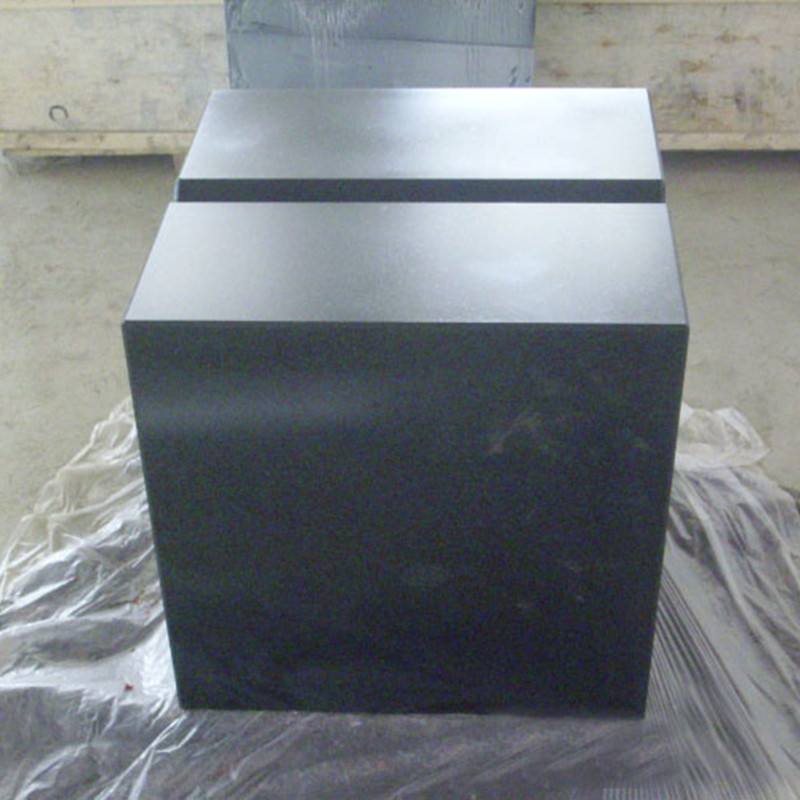
welding table supplier
Finding the Right Welding Table Supplier A Guide for Professionals Welding is an essential process i
 English